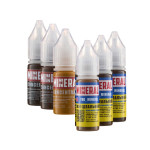
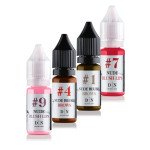
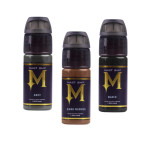
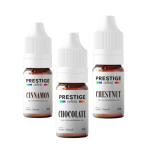
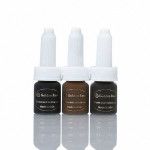
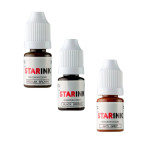
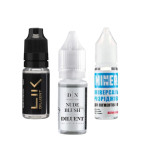
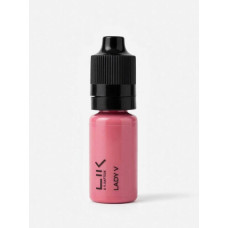
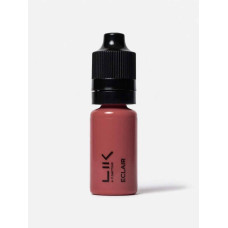
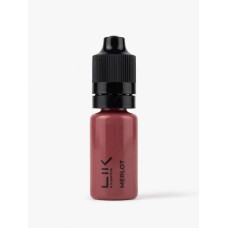
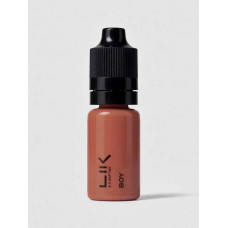
Mineral Pigments for Permanent Makeup
Mineral pigments for permanent makeup are professional pigments based on inorganic components. They are used by PMU artists for brows, lips, eyelids, lash enhancement, areolas, camouflage, SMP and correction procedures. These formulas are valued for soft healing, natural appearance, controlled density and the ability to create delicate natural shades.
At the A4PMU online store, you can buy mineral pigments for permanent makeup and choose shades for your technique: powder brows, hairstrokes, microblading, lip blush, watercolor lips, lash enhancement, scalp micropigmentation, camouflage and work with old permanent makeup.
What mineral pigments are
Mineral pigments are often described as inorganic pigments. They may be based on mineral colorants such as iron oxides and other stable components that create natural brown, beige, graphite, black, yellow, red and olive shades. These pigments usually have a calmer color character than bright organic formulas.
Mineral pigments are suitable for work where a natural result without excessive brightness is important. They may look softer after healing, which is why they are often chosen for brows, hairstrokes, light powder effects, natural lips, camouflage procedures and men’s permanent makeup.
At the same time, the result depends on more than pigment composition. Healing is influenced by the artist’s technique, implantation depth, skin type, client phototype, previous permanent makeup, aftercare and correct shade selection.
Benefits of mineral pigments
One of the main benefits of mineral pigments is natural appearance. They help create soft, calm and harmonious shades that do not look too bright or decorative after healing. This is important for clients who want a neat result without a heavy tattooed effect.
The second benefit is control during work. The artist can gradually build density, create light powder effects, work in layers and adapt the result to a specific area. This is especially relevant for powder brows, natural lips and delicate lash enhancement.
Another benefit is versatility. Mineral pigments can be used for first procedures, color refreshes, corrections, camouflage and work with different appearance types. They fit well into the palette of artists who value natural effects.
Mineral pigments for brows
For brows, mineral pigments are used in powder technique, hairstroke technique, microblading, combined work and correction of old permanent makeup. They help create soft brown, dark blonde, dark brown, graphite, warm and neutral shades.
In the brow area, it is important not to overload the skin with color. Mineral pigments allow delicate work, smooth gradient building, a soft beginning and a more defined tail. This helps create groomed-looking brows without harsh graphic lines.
When choosing a brow shade, the artist considers hair color, eye color, skin tone, natural undertone, client age and desired saturation. Cooler skin may require warmer shades or correctors, while a very warm base may need more neutral or olive solutions.
Mineral pigments for lips
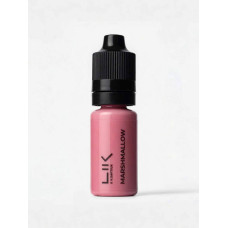
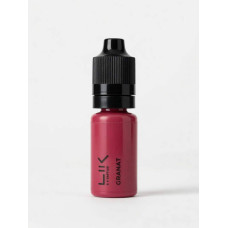
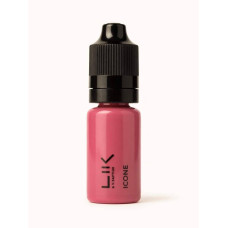
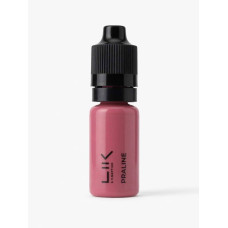
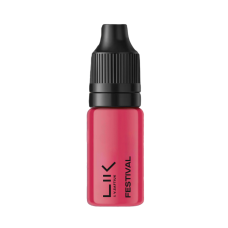
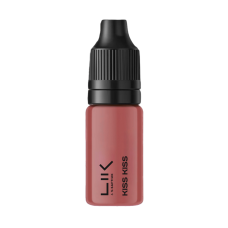
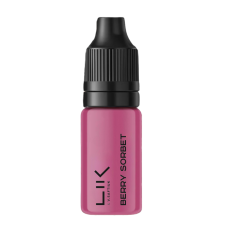
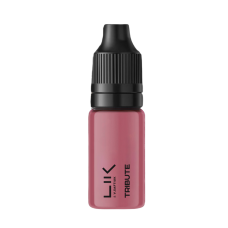
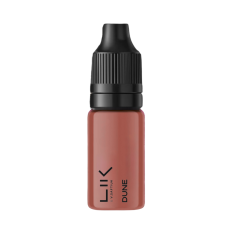
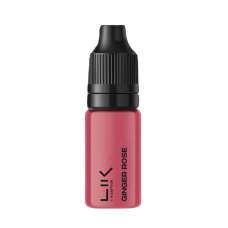
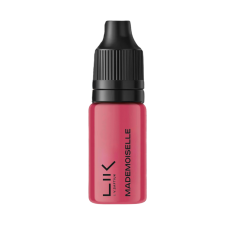
For lips, mineral pigments are used in natural techniques, lip blush, watercolor effects, light color refresh, camouflage and correction procedures. They help create calm nude, pink, peach, beige or muted shades when these tones are included in the chosen brand palette.
Lips have an individual natural undertone, so pigment should not be selected only by the color in the bottle. On cool lips, the result may look duller; on light lips, softer; on naturally bright lips, more saturated. The artist should assess the base and use a corrector or warmer mix if needed.
Mineral formulas are suitable for clients who do not want a lipstick effect, but prefer slight color evening and a natural healed result.
Mineral pigments for eyelids and lash enhancement
For eyelids and the lash line, mineral pigments can be used for fine lash enhancement, soft eyeliner, darkening of the lash line or delicate shading. Black, graphite, dark brown and brown shades are most often chosen for this area.
The eyelid area is very delicate, so not only the pigment matters, but also technique, hand stability, correct cartridge choice and careful implantation. A mineral pigment should match the task: lash enhancement needs enough definition, while soft eyeliner needs controlled density and smoothness.
Mineral pigments for SMP, areolas and camouflage
Mineral pigments may be used not only in classic PMU, but also in scalp micropigmentation, camouflage, areola reconstruction and work on small aesthetic areas. For these procedures, natural appearance, stability and correct shade depth are important.
In SMP, the artist chooses a pigment so the dots look as natural as possible and do not create unwanted blue or green undertones. For areolas and camouflage, it is important to work with skin-tone, pink, brown and neutral shades, gradually building volume and soft transitions.
Mineral, organic and hybrid pigments
Mineral pigments usually create a softer and more natural effect. Organic pigments often have more brightness and saturation. Hybrid formulas combine organic and inorganic components to achieve a balance between saturation, softness and predictable healing.
No pigment type is always better than another. The choice depends on the task, technique, area, skin type and expected result. For natural brows, an artist may choose a mineral formula; for brighter lips, an organic or hybrid formula; and for corrections, special mixes and correctors.
How to choose a mineral pigment
Before buying, define the working area: brows, lips, eyelids, SMP, areolas or camouflage. For brows, the temperature and depth of brown matter. For lips, the natural undertone and desired saturation matter. For eyelids, density and stability are important. For camouflage, accurate matching to skin color is essential.
It is also important to consider consistency, concentration, volume, brand, compatibility with correctors and manufacturer recommendations. Some mineral pigments may be denser, so they should be shaken especially well before use.
It is convenient for an artist to have a basic palette: several brow shades, a dark pigment for eyelids, neutral and warm lip colors, and correctors. This allows flexible work without relying on one universal color.
How to work with mineral pigments
Before the procedure, the pigment should be shaken thoroughly so particles are evenly distributed in the bottle. During work, it is important to control implantation depth, number of passes and density. If pigment is implanted too deeply or too densely, the result may look darker and heavier.
Mineral pigments are well suited for gradual layering. The artist can create a soft result during the first procedure and refine the color at correction. This approach is especially useful for clients who are afraid of overly bright results.
Artificial skin, palettes or training materials can be used to test new shades. This helps the artist understand pigment consistency, density and behavior before working with a client.
Buy mineral pigments at A4PMU
At the A4PMU online store, you can order mineral pigments for permanent makeup online and choose a palette for your techniques. The catalog may include pigments for brows, lips, eyelids, SMP, corrections, camouflage, as well as correctors and related materials for mixing.
Along with pigments, you can choose cartridges, PMU machines, pigment cups, mixers, holders, applicators, anesthesia, gloves, wipes, barrier protection, disinfectants and other supplies for clean and organized work.
Order mineral pigments for natural results
High-quality mineral pigments help artists create calm, natural and harmonious work. They are suitable for clients who want soft permanent makeup without excessive brightness and for artists who value control, delicacy and a predictable palette.
Choose mineral pigments for permanent makeup at A4PMU and build a professional kit for your tasks. Compare brand, shade, temperature, volume, concentration, purpose and mixing options. Order professional pigments online and work with materials that help create clean, natural and balanced results.