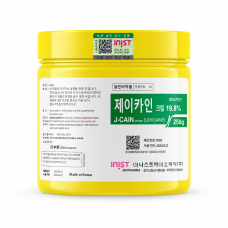
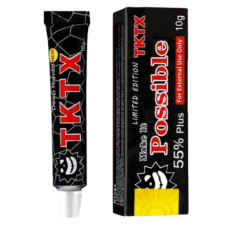
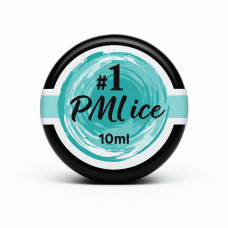

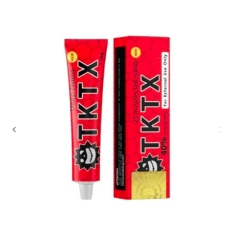
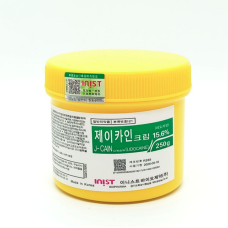
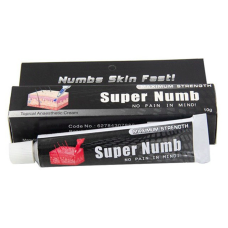
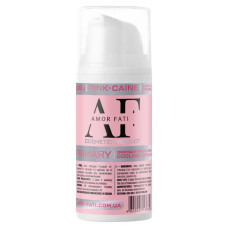
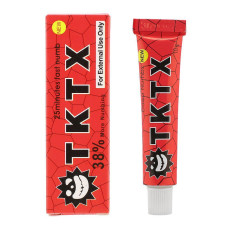
-228x228.JPG "Primary Anesthesia Cream Anesthetic TKTX 40% 10 g, orange")
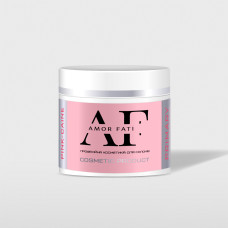
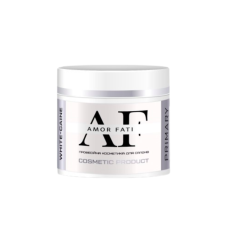
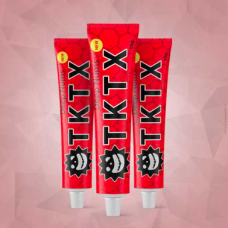
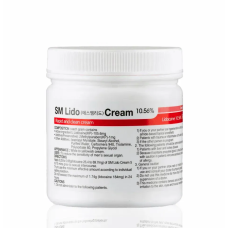
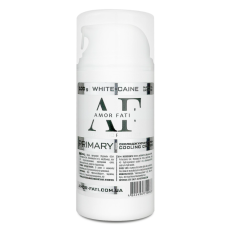
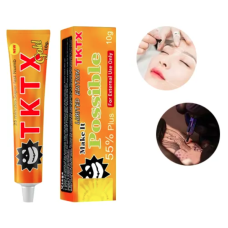
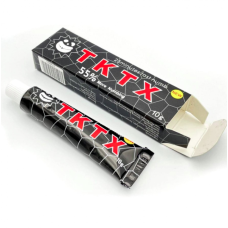
-228x228.JPG "Primary Anesthesia Cream Anesthetic TKTX 55% 10 g, orange")
-
What types of primary anesthesia are there?
-
Is it possible to use primary anesthesia for all areas of tattooing?
-
Is primary anesthesia safe for all skin types?
-
How long does primary anesthesia last?
-
What is primary anesthesia for tattooing?
-
How does primary anesthesia work?
Primary Anesthesia for Permanent Makeup
Primary anesthesia refers to products used before a permanent makeup procedure begins to reduce skin sensitivity and make the first stage of work more comfortable for the client. It is applied before the first needle pass, usually on clean and intact skin, and helps the artist start brow, lip, eyelid or other PMU procedures more calmly.
At the A4PMU online store, you can buy primary anesthesia for permanent makeup in cream, gel or other formats designed to prepare the skin before the procedure. These products are used by PMU artists who want to provide softer sensations for the client, reduce tension at the start of the work and create comfortable conditions for precise pigment implantation.
Why primary anesthesia is needed
The first minutes of a procedure are often the most noticeable for the client. The skin has not yet adapted to irritation, the client may tense up, move or feel nervous, while the artist needs to maintain precision. That is why primary anesthesia helps make the start of the procedure calmer.
The product is applied before work begins, left for the time recommended by the manufacturer, then removed before the procedure starts. This approach is especially convenient for powder brows, lip permanent makeup, lash enhancement and other techniques where the accuracy of the first pass is important.
Primary anesthesia does not replace the artist’s experience, proper technique or a delicate approach to the skin. It only helps reduce discomfort and create more comfortable working conditions. The final result still depends on the artist’s professionalism, equipment quality, pigments, cartridges and proper aftercare.
How primary anesthesia differs from secondary anesthesia
Primary anesthesia is used before the procedure begins. It is applied to intact skin before the first needle pass. Most often, it is a cream or gel that stays on the skin for a certain time according to the instructions.
Secondary anesthesia is used during the procedure, after the skin has already been partially worked. It has a different purpose: to maintain client comfort during the process when the effect of the primary product weakens or the area becomes more sensitive.
It is important for the artist not to confuse these products. Primary and secondary anesthetics may differ in texture, application method, action time and conditions of use. If a product is intended only for primary use, it should not be applied to opened or damaged skin unless the manufacturer clearly states otherwise.
Primary anesthesia for brows
For brows, primary anesthesia is used before powder shading, shadow techniques, combined work and refreshing old permanent makeup. Brows are not always the most painful area, but client sensitivity varies. For some people, the procedure is almost painless, while others react even to mild irritation.
A properly selected product helps the client relax and allows the artist to begin work more evenly. In the brow area, it is important that anesthesia does not leave excessive oiliness, interfere with mapping or make pigment implantation more difficult. That is why artists often choose products with a texture that is easy to apply, leave on and fully remove before the procedure.
After the anesthesia is removed, the skin should remain suitable for work: without strong irritation, excessive softening or unpredictable reaction. That is why it is important to follow the exposure time and not apply a thicker layer than necessary.
Primary anesthesia for lips
Lips are a sensitive area, so primary anesthesia is often especially important here. During lip permanent makeup, the client may feel tingling, burning, pressure or discomfort due to the natural sensitivity of the lip tissue. A primary product helps make the start of the procedure easier and reduces tension during the first stage.
For lips, it is important to choose products suitable for this area that do not interfere with pigment work. The artist should consider skin condition, dryness, cracks, tendency to irritation and possible individual client reactions.
In lip procedures, primary and secondary anesthesia are often combined: primary anesthesia helps start comfortably, while secondary anesthesia may be used during the procedure if sensitivity returns. However, each product should be used only for its intended purpose and according to the instructions.
Primary anesthesia for eyelids and lash enhancement
The eyelid and lash enhancement area requires the most careful approach. Here, not only the effectiveness of anesthesia matters, but also application control. The product should not spread, get into the eyes or interfere with the artist’s view of the working area.
For lash enhancement and eyeliner, artists choose primary anesthesia especially carefully. Texture, exposure time, ease of removal and suitability for the specific area are all important. If a product is not intended for use near the eyes, it should not be used in this area.
During eyelid procedures, the artist must control every stage: skin cleansing, product application, exposure time, removal of residue and further work. Safety in this area is more important than the desire to achieve the strongest possible numbing effect.
Formats of primary anesthesia
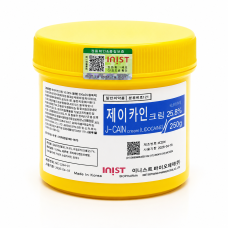
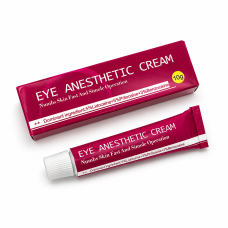
Primary anesthesia for PMU is most often available as creams and gels. Creams are convenient to apply in a dense layer, stay well on the skin and are suitable for preparing the area before the procedure. Gels may have a lighter texture, spread faster and be convenient for certain techniques or areas.
Some products are used under film if this is allowed by the manufacturer’s instructions. Film helps keep the product on the desired area, but it is important not to exceed the recommended exposure time. Excessive exposure does not always give a better result and may negatively affect the skin condition.
When choosing a format, consider which areas you work with most often. For brows, a cream or dense gel may be convenient. For lips, comfortable texture and controlled action are important. For eyelids, safe application and no spreading are key.
How to choose primary anesthesia
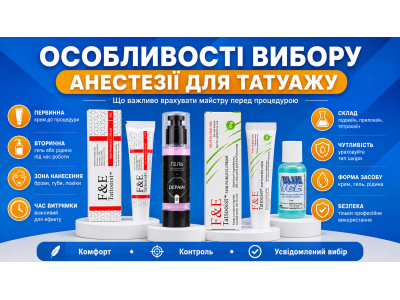
Before buying primary anesthesia, pay attention to several parameters: product purpose, application area, texture, recommended exposure time, application method, ingredients, volume and contraindications. It is not best to choose a product only by the principle of “the strongest.” For professional work, action strength, predictability, safety and compatibility with the artist’s technique all matter.
If you mainly work with brows, look for products that do not leave excessive oiliness and are easy to remove before the procedure. If you often work with lips, choose products suitable for sensitive areas that help the client comfortably pass the first stage. If you work with eyelids, check whether the product may be used near the eyes.
It is also important to consider the client. People may have different pain thresholds, allergic reactions, sensitivity to ingredients, chronic conditions or individual restrictions. Before the procedure, the artist should collect important information and act carefully.
Safe use rules
Primary anesthesia should be used responsibly. Always read the manufacturer’s instructions before use. Do not exceed the recommended exposure time, do not apply the product to irritated or damaged skin unless the instructions allow it, and do not mix several anesthetics without understanding their action.
Before the procedure, it is advisable to ask whether the client has allergies to ingredients, increased sensitivity, pregnancy, breastfeeding, serious chronic conditions or takes medications that may affect the procedure. If there are doubts, it is better not to take risks and recommend that the client consult a doctor.
The product should be applied carefully and only to the required area. After the exposure time is complete, anesthesia residue is removed and the skin is prepared for work according to the artist’s protocol. In professional PMU, not only the anesthetic effect matters, but also cleanliness, sterility and control at every stage.
Buy primary anesthesia at A4PMU
At the A4PMU online store, you can order primary anesthesia for permanent makeup online and choose a product for your working tasks. The catalog includes products for preparing the skin before brow, lip, eyelid and other PMU procedures.
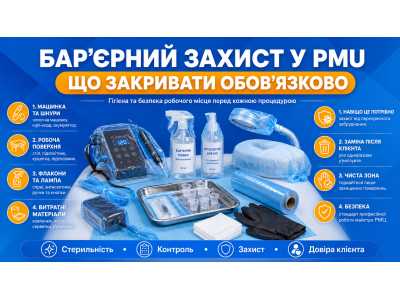
Along with primary anesthesia, you can choose secondary anesthesia, pigments, cartridges, permanent makeup machines, barrier protection, disinfectants, pigment cups, wipes, film and other disposable supplies. This is convenient when you need to build a complete procedure kit in one store and prepare for work quickly.
Order primary anesthesia for professional procedures
A properly selected primary anesthesia helps make the beginning of the procedure more comfortable, reduce client tension and create better conditions for precise work. It is especially important for sensitive clients, delicate areas and procedures where the accuracy of the first pass is significant.
Choose primary anesthesia for permanent makeup at A4PMU and build a professional kit for your techniques. Compare formats, consider the application area, exposure time, client sensitivity, ingredients and manufacturer recommendations. Order anesthesia online and work with products that help make the procedure more comfortable, calm and controlled.