
When planning to get a tattoo, all the attention is given to finding an experienced and talented tattoo artist and, of course, choosing a design. However, the recovery period after the dream has already come true is often overlooked.
This becomes a serious mistake because taking care of the "fresh" tattoo is just as important as the artist's competence or the quality of pigments. Fortunately, today there are many methods and products that allow you to go through this period comfortably while minimizing the potential for complications.
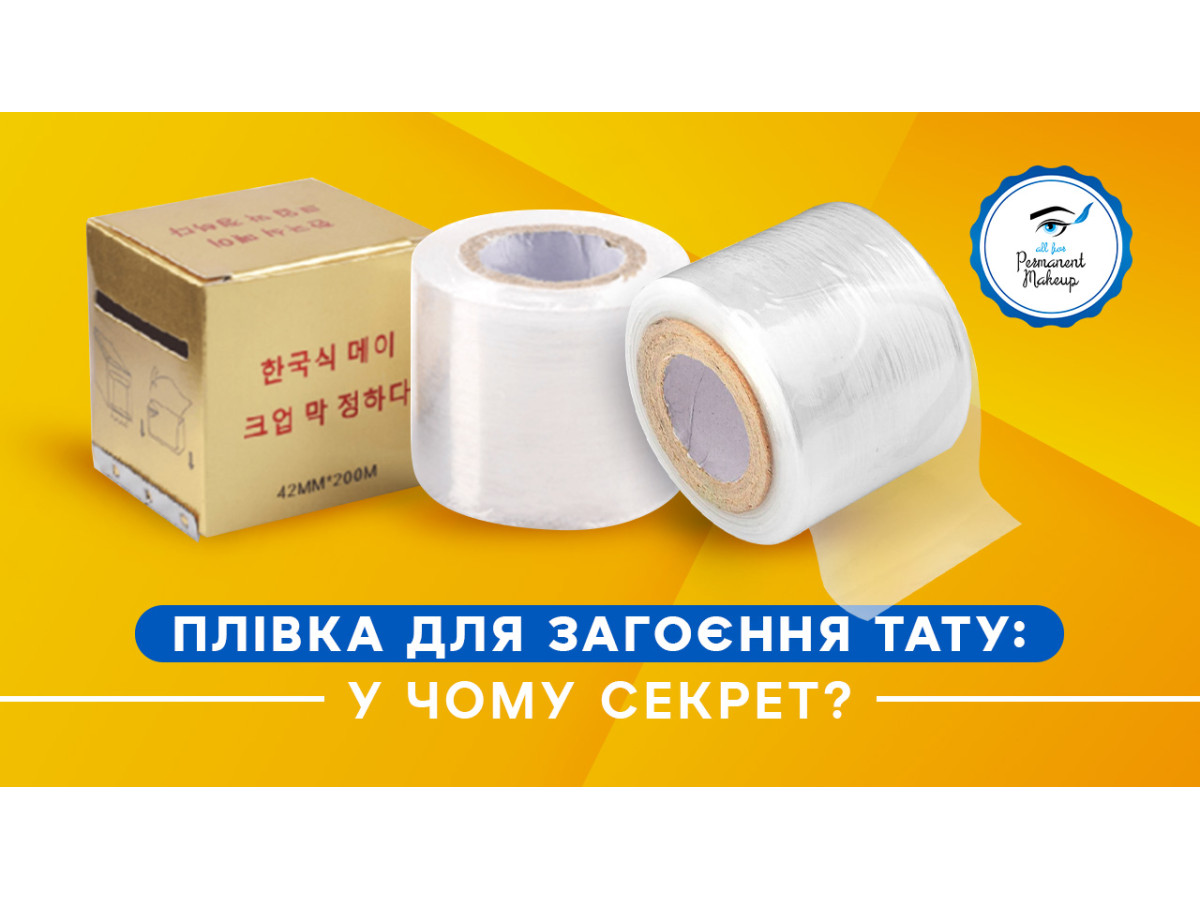
One such product is the tattoo healing film. But it is just a part, albeit a very effective one, of the overall recovery process.
Tattoo Film: Features and Advantages
Tattoo healing films have significantly made life easier for both tattoo artists and their clients. This material is a thin and flexible polymer sheet with a special perforation. If you look at these holes under strong magnification and in a side projection, they look like cones that expand inward towards the skin. This structural feature allows heat and moisture to be effectively diverted from the skin, while preventing condensation buildup. Even natural exudates from wounds, which consist of intercellular fluid and lymph, dry up quickly naturally, evaporating outward.
At the same time, the perforation prevents water from penetrating under the film, creating a reliable barrier against dust and other contaminants.
Therefore, such a film significantly reduces the risks of infection and inflammatory complications, prevents accidental damage to the tattoo, and minimizes restrictions for the client during the recovery period.
Professional tattoo films can be produced with various compounds applied to their surface. These can include aloe vera preparations, antiseptics, etc.
Moreover, manufacturers have started to consider the anatomical features of different body parts and the growing love for "sleeves" and "stockings" — large designs covering the upper or lower limbs. Today, you can find special films with pre-formed darts — they don't prevent bending of the arm or leg but continue to perform their protective function.
Care for the Tattoo in the First Days After Application
Anyone planning to get a tattoo should think ahead about all the steps and actions in the first few days after the tattoo is applied. This period is the most important, and it's during these days that the risk of undesirable consequences is highest.
Therefore, the tattoo artist's task is to instruct the client on a number of restrictions that will apply until the skin has completely healed. At the same time, full information about the possible consequences of not following these recommendations should be provided.
So, the work on the tattoo is done, the client is happy. What's next? Several prohibitions and restrictions come into play, which the client should be made aware of:
- The tattoo film applied in the salon should remain in place for the entire period specified by the tattoo artist. There's no need to worry that the micro-wounds under it will become too moist or steamed, as the perforation supports optimal air circulation and moisture drainage, but prevents liquid from reaching the skin. Therefore, there are no restrictions on hygienic procedures.
- For the first week after the session, all heat-based treatments should be avoided. Visiting a sauna or bath, taking a hot bath, and steam treatments (including localized ones — for hands, feet, face, etc.) are prohibited. These procedures promote blood vessel dilation and stimulate the exudation of intercellular fluid from micro-wounds in the tattoo, slowing down healing.
- Sports activities should be limited. At least those that lead to active sweating — it irritates the damaged skin, which also doesn't help healing. However, gentle walks, light gymnastics, or yoga will be beneficial: they improve blood circulation, which helps reduce swelling around the tattoo area and speeds up skin healing.
It is important to consider the psychology of the "average person." Despite today's high level of awareness, a tattoo is still often perceived as a minor intervention that doesn't require strict adherence to recommendations.
Therefore, it would be beneficial to outline the range of possible consequences — from prolonged and painful healing and the need for "global" correction of the design to the formation of keloid scars.
Skin Reaction to the Tattoo: A Minor Issue or a Reason to See a Doctor?
After completing the tattoo session, it is important not to overlook one more moment. The client should be informed about what skin reactions are considered normal and which symptoms should prompt a visit to a doctor.
The most dangerous situation may arise from an allergic reaction to pigments, anesthetics, and other substances used during the tattoo process.
Preventing this is the tattoo artist's task, who should conduct an allergy test and ask the client several questions: if they have any allergies, whether they’ve had tattoos before, etc. If the immune system reacts calmly after the test — the tattoo artist can proceed with the session.
From then on, full responsibility rests with the client: their proper attitude towards rehabilitation will determine both the tattoo's healing process and their overall health.
Care for the Tattoo After Full Healing
After the tattoo has fully healed, there may still be residual symptoms for a few days or weeks, such as skin peeling or mild itching. The severity and duration of these symptoms depend on the client's skin type, tattoo size, and even the season. These symptoms do not require special care or treatment — just continue regular skin care, and soon it will fully recover. It is important to understand that partial "pigment loss" is a normal phenomenon and has nothing to do with complications or the tattoo artist's incompetence. A follow-up visit to the salon and tattoo correction will resolve the situation and restore the depigmented areas.