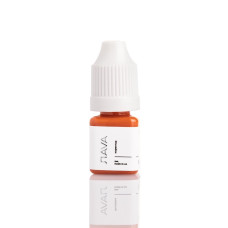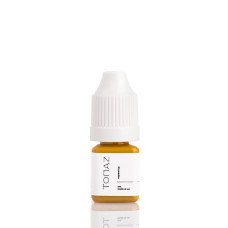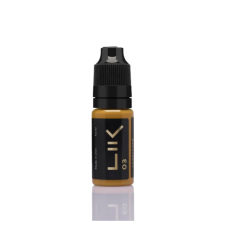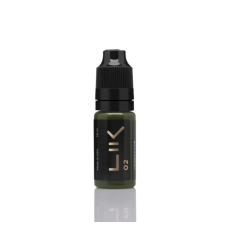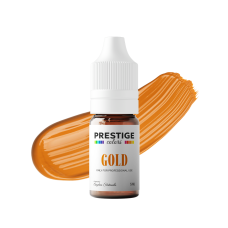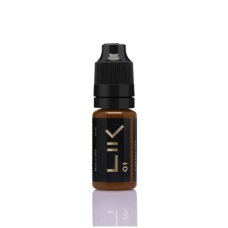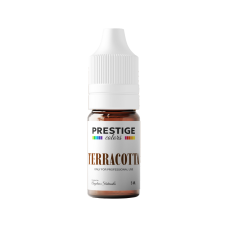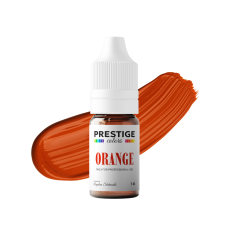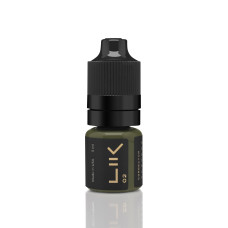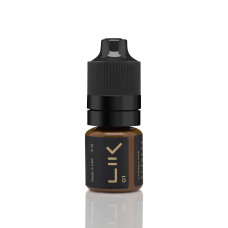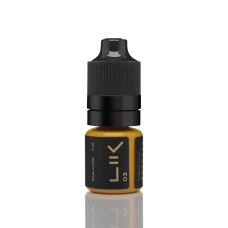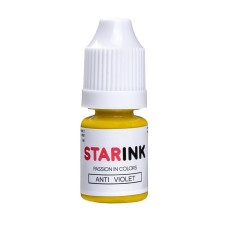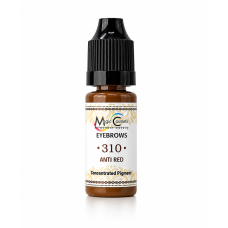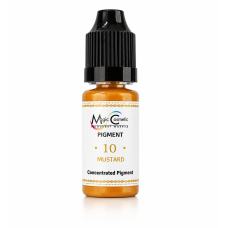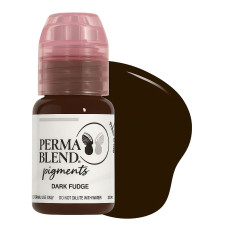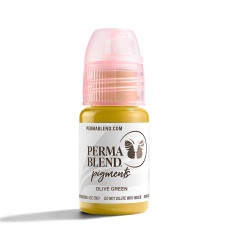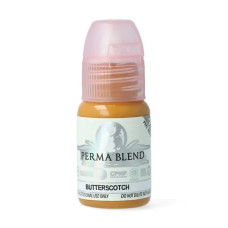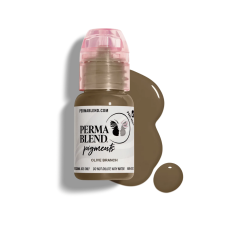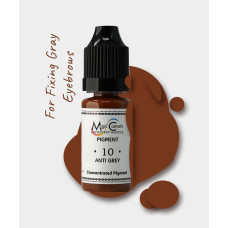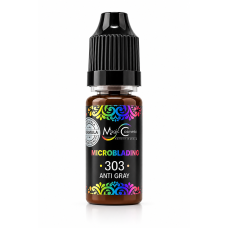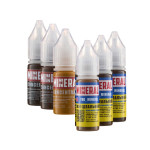
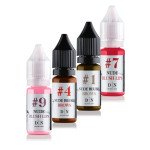
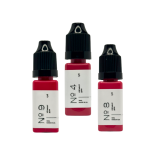
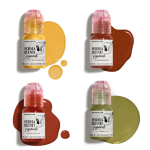
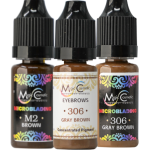
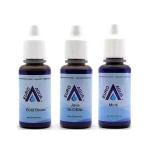
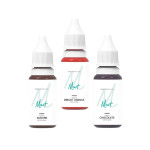
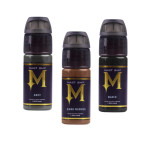
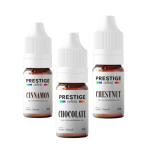
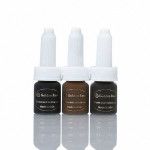
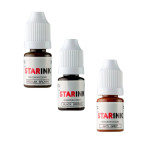

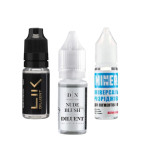
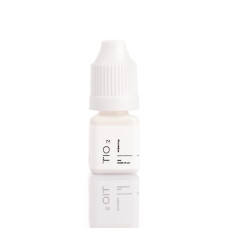
A pigment corrector is an auxiliary pigment for permanent makeup used to neutralize unwanted shades, adjust color temperature, correct old PMU and create custom mixes. It helps the artist work with color more precisely and adapt the result to each client’s skin, natural undertone and previous permanent makeup.
At the A4PMU online store, you can buy pigment correctors for brows, lips, eyelids, camouflage and correction procedures. In PMU work, these products are just as important as base shades because every skin type heals pigment differently, and old work often needs color balancing before a new result can be created.
A corrector is used when the main pigment needs to become warmer, cooler, softer, lighter or better balanced. It is also used to neutralize unwanted undertones: gray, blue, purple, red, orange or overly cool shades left after old permanent makeup.
In permanent makeup, healed color depends on more than the pigment in the bottle. The result is influenced by skin type, implantation depth, working density, client age, phototype, aftercare, old PMU residue and the natural undertone of the area. A corrector helps the artist consider these factors and make the result more predictable.
Correctors can be used on their own for old color correction or in small amounts as an additive to a base pigment. It is important to follow color logic, avoid overloading the mix and understand which shade needs to be neutralized.
In the brow area, correctors are most often used for old gray, bluish, reddish or overly cool PMU. Warm correctors help soften cool residue, while olive or green shades may be used to neutralize excess redness.
For powder brows, a corrector helps create a more natural brown result. If the base pigment looks too cool for a specific client, the artist can add a warm corrector. If the shade is too red or warm, it can be adjusted with a cooler or olive component.
A brow corrector is especially important when covering old work. If a new brown pigment is implanted directly over gray or red residue without color analysis, the result may look muddy, too dark or unpredictable.
For lips, correctors are used to neutralize cool, bluish, purple or gray undertones. Before applying the target color, the artist may work with warm peach, orange, coral or other corrective shades to balance the base.
Lips have an individual natural color, so the same pigment can heal differently on different clients. On light lips, a nude shade may look soft, while on cool lips it may heal dull or grayish. A corrector helps prepare the base and achieve a cleaner healed color.
A lip corrector does not always replace the main pigment. Often it is used as the first neutralization stage, after which the desired target shade is added during the next procedure or correction session.
Orange and peach correctors are used to neutralize cool, bluish or purple tones. They are often needed for lips and old cool brows. These shades help restore warmth and make the base more suitable for further work.
Yellow correctors may be used to soften purple or overly cool undertones. They can also be added to mixes when the color needs to become warmer and lighter.
Green or olive correctors are used for red, pink or overly warm residue. In brows, this is especially relevant when old permanent makeup has healed red or salmon-toned.
White, beige or skin-tone correctors may be used for camouflage, softening a shade or creating specific mixes if the brand protocol allows it. They should be used carefully because excessive lightening can make the result look unnatural.
Before buying a corrector, define the task: old PMU neutralization, changing the temperature of the base pigment, working with cool lips, correcting red brows or creating a custom mix. Each situation requires a different shade.
It is also important to consider the brand and type of pigments the artist works with. Not all formulas behave the same way when mixed. It is best to use correctors within one system or carefully follow the manufacturer’s compatibility recommendations.
It is convenient for an artist to have a basic set of correctors: warm orange or peach, yellow, olive or green, and a shade for soft camouflage or color softening. This set helps respond faster to different working situations.
Before use, the corrector should be shaken well so the pigment mixes evenly. If the artist adds a corrector to a base shade, it is better to start with a small amount and gradually evaluate the mix. Too much corrector can change the color strongly and make the result less predictable.
When correcting old permanent makeup, the artist should not rely only on the color in the bottle. It is necessary to evaluate the residue in the skin, its density, depth, temperature, age of the old work and tissue condition. Complex cases may require several stages rather than one procedure.
Artificial skin, palettes or training materials can be used to test mixes. This helps the artist understand the corrector’s consistency, density and behavior before working with a client.
A corrector changes color. A thinner changes consistency. These are different products with different tasks. If the pigment is too thick, the artist may use a special thinner. If the shade is too cool, warm, red or gray, a corrector is needed.
Beginners sometimes confuse these products, but understanding the difference is important for predictable results. A corrector affects the color formula, while a thinner affects pigment flow and ease of implantation.
At the A4PMU online store, you can order pigment correctors online and choose the right shade for your tasks. The catalog may include correctors for brows, lips, neutralization, camouflage, mixing with base pigments and working with old permanent makeup.
Along with correctors, you can choose pigments for brows, lips and eyelids, cartridges, PMU machines, pigment cups, mixers, holders, anesthesia, wipes, gloves, barrier protection and disinfectants.
A high-quality corrector helps the artist work with color more confidently, neutralize unwanted tones and create custom mixes for each client. It is an important tool for artists who work not only with first procedures, but also with refreshes, cover-ups and correction of old PMU.
Choose pigment correctors at A4PMU and build a professional palette for brows, lips and eyelids. Compare shade, purpose, brand, volume, consistency and compatibility with your pigments. Order professional materials online and work with color more precisely, cleanly and predictably.